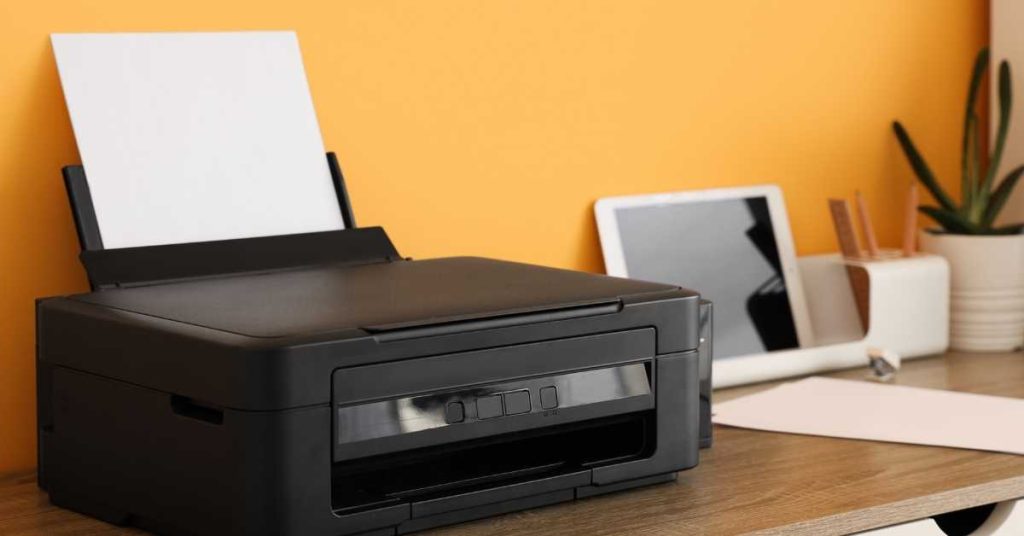

A Practical Guide to Selecting the Ideal Photo Printer for Quality and Performance
The Growing Importance of High-Quality Photo Printing
Photo printing continues to play a significant role in preserving memories and showcasing creativity in a tangible form. A person who captures meaningful moments often seeks a way to display those images beyond digital screens. Printed photographs offer a sense of permanence and emotional value that digital files cannot fully replicate. Whether used for personal albums, professional presentations, or home décor, the quality of a print directly influences its impact.
As technology evolves, photo printers have become more advanced and accessible, allowing users to achieve professional-level results at home. However, not all printers deliver the same performance, making it essential to understand what features matter most. By learning how different technologies and components affect print quality, individuals can make informed choices that align with their goals and expectations.
Key Factors That Influence Photo Print Quality
Resolution and Image Clarity
Resolution is one of the most critical factors in determining how detailed and sharp a printed image appears. It is measured in dots per inch, and higher values result in clearer and more refined prints. A person who wants to produce high-quality images should always start with high-resolution files to avoid pixelation and loss of detail.
In addition to resolution, the printer’s ability to process and reproduce image data plays a vital role. Advanced printers use sophisticated algorithms to maintain clarity and consistency across the entire image. This ensures that even fine textures and subtle details are accurately represented. Paying attention to resolution and clarity helps users achieve prints that closely match their original images.
Color Accuracy and Consistency
Color accuracy is essential for producing prints that reflect the true tones of the original photograph. Printers with advanced color management systems can reproduce a wide range of colors with precision, ensuring that images appear natural and vibrant. A person who values realism should look for printers that support multiple ink cartridges and precise calibration.
Consistency is equally important, especially for projects that require multiple prints. Maintaining uniform color output ensures that each print looks identical, which is crucial for professional work. By using high-quality inks and proper calibration techniques, users can achieve reliable and accurate results. This attention to detail enhances the overall quality of photo prints.
Exploring Different Types of Photo Printers
Inkjet Printers for Versatile Use
Inkjet printers are among the most popular options for photo printing due to their versatility and affordability. They can produce high-quality prints with excellent color depth and detail, making them suitable for both beginners and professionals. A person who chooses an inkjet printer benefits from its ability to handle various paper types and sizes.
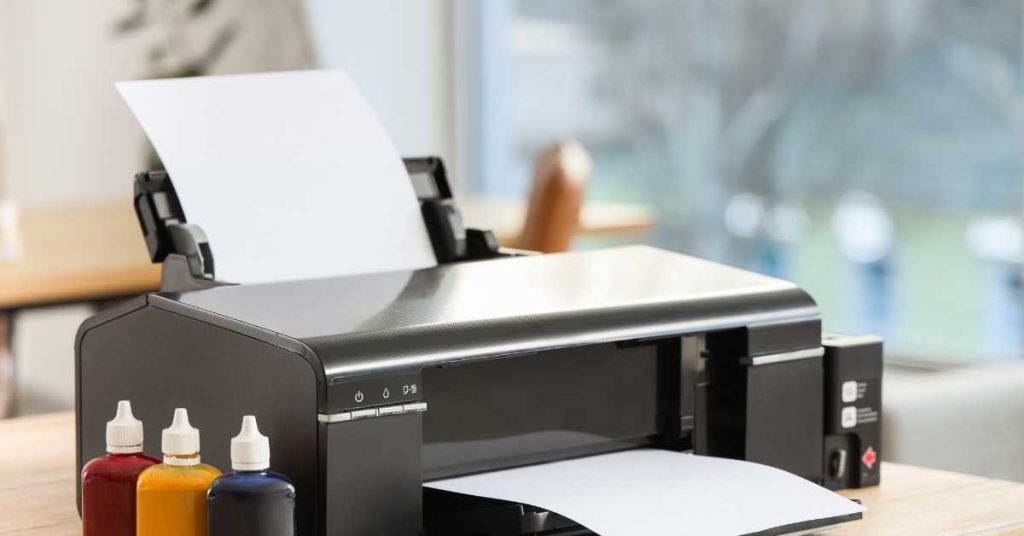
Modern inkjet printers often include features such as wireless connectivity and mobile printing, adding convenience to the user experience. They also support different ink systems, allowing users to choose between dye-based and pigment-based inks. This flexibility makes inkjet printers a reliable choice for a wide range of applications.
Dye-Sublimation Printers for Smooth Output
Dye-sublimation printers use a heat-based process to transfer dye onto paper, resulting in smooth and continuous-tone images. This method produces prints that resemble traditional photographs, with no visible dots or grain. A person who seeks a polished and professional finish may find this technology particularly appealing.
These printers are known for their ease of use and consistent output quality. However, they are typically limited in terms of print size and media options. Despite these limitations, their ability to deliver high-quality prints quickly makes them a valuable option for specific use cases.
Choosing the Right Paper for Photo Printing
Glossy Paper for Vibrant Images
Glossy paper is widely used for photo printing because it enhances colors and provides a bright, reflective finish. It is ideal for images that require strong contrast and vivid tones. A person who wants their photos to stand out may prefer glossy paper for its ability to produce eye-catching results.
However, glossy surfaces can be prone to fingerprints and glare, which may affect the viewing experience. Proper handling and display conditions can help minimize these issues. Despite these challenges, glossy paper remains a popular choice for achieving vibrant prints.
Matte Paper for a Subtle Finish
Matte paper offers a non-reflective surface that reduces glare and provides a more understated appearance. It is suitable for images with softer tones and artistic compositions. A person who prefers a classic and elegant look may find matte paper more appealing.
This type of paper is also less likely to show fingerprints, making it easier to handle and display. It is commonly used for fine art prints and black-and-white photography. By choosing matte paper, users can achieve a refined and sophisticated presentation.
Benefits of Printing Photos at Home
Convenience and Creative Control
Printing photos at home provides unmatched convenience, allowing individuals to produce prints whenever they need them. This eliminates the need to rely on external services and wait for processing times. A person who values efficiency will appreciate the ability to print on demand and make adjustments instantly.
Home printing also offers greater creative control, enabling users to experiment with different settings, layouts, and paper types. This flexibility encourages creativity and helps individuals refine their skills. By managing the entire process, users can ensure that their prints meet personal standards and expectations.
Cost Efficiency Over Time
Although the initial investment in a photo printer may seem high, it can lead to significant savings in the long run. Frequent printing becomes more affordable compared to using professional services. A person who regularly prints photos can benefit from reduced costs and greater independence.
In addition to saving money, home printing ensures consistency in quality. Users can maintain control over every aspect of the process, from color settings to paper selection. This consistency is particularly important for projects that require uniform results across multiple prints.
Maintenance Tips for Reliable Performance
Regular Cleaning and Care
Maintaining a photo printer is essential for ensuring consistent performance and high-quality output. Regular cleaning helps prevent issues such as clogged nozzles and uneven prints. Most modern printers include built-in maintenance tools that make this process simple and effective.
A person who performs routine maintenance can extend the lifespan of their printer and avoid costly repairs. Keeping the device in a clean environment also reduces the risk of dust and debris affecting print quality. Consistent care ensures reliable results over time.
Using High-Quality Supplies
Using high-quality ink and paper is crucial for producing excellent photo prints. Genuine supplies are designed to work seamlessly with specific printers, ensuring optimal performance. A person who invests in quality materials benefits from better color accuracy and longer-lasting prints.
While cheaper alternatives may seem appealing, they can compromise quality and potentially damage the printer. Choosing reliable supplies helps maintain consistency and protects the investment. This approach ensures that every print meets high standards.
Selecting the Best Printer for Your Needs
When exploring options for the Best Photo Printers, it is important to consider factors such as budget, intended use, and desired features. A beginner may prioritize ease of use and affordability, while a professional might focus on advanced capabilities and superior output quality.
Researching different models and comparing their specifications can help users make informed decisions. Reading expert insights from sources like Digital Photography Review can also provide valuable guidance on performance and reliability. By carefully evaluating available options, individuals can choose a printer that aligns with their goals and enhances their photo printing experience.
Future Developments in Photo Printing Technology
The photo printing industry continues to evolve with advancements in technology that improve both quality and convenience. Features such as wireless connectivity, mobile integration, and smart printing solutions are becoming increasingly common. These innovations make it easier for users to print directly from their devices with minimal effort.
As printers become more efficient and capable, they are able to produce higher-quality prints with greater speed and precision. A person who stays informed about these developments can take advantage of new features that enhance the printing experience. The future of photo printing promises even greater possibilities for creativity and innovation.