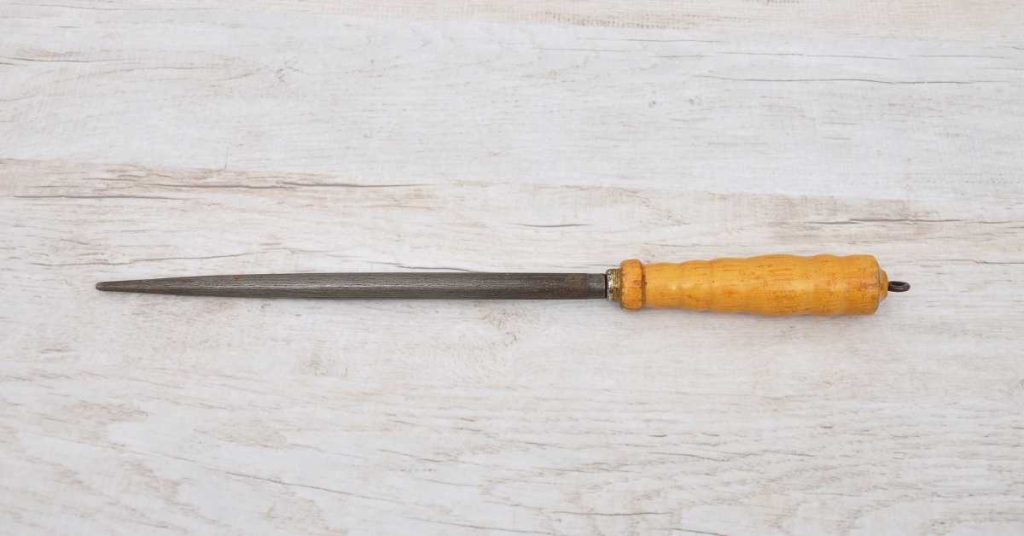

How Ceramic Honing Tools Improve Everyday Cooking Performance
A well maintained knife changes the entire cooking experience because clean and accurate cuts improve speed, safety, and food presentation. Many people purchase premium kitchen knives but fail to maintain the edge properly after regular use. Over time, knife edges bend slightly from repeated contact with cutting boards, meat, vegetables, and hard ingredients. A ceramic honing tool helps correct these tiny edge imperfections without removing excessive metal from the blade. Unlike aggressive sharpening systems, ceramic honing preserves the knife while restoring smoother cutting performance. Professional chefs and home cooks often rely on ceramic rods because they are dependable, easy to use, and suitable for long term maintenance in busy kitchen environments.
Why Knife Maintenance Matters in Modern Kitchens
Kitchen knives perform dozens of demanding tasks every day, including slicing vegetables, trimming meat, chopping herbs, and preparing fruit. Repeated use gradually affects the blade edge, making cuts less precise and increasing the force needed during preparation. Poorly maintained knives create frustration and increase the risk of slipping accidents because users apply extra pressure while cutting. Regular honing keeps the edge aligned and helps maintain reliable performance between sharpening sessions. Ceramic honing tools are especially useful because they provide gentle correction without damaging the blade surface unnecessarily. Consistent maintenance habits also protect expensive knives from premature wear. A few minutes spent honing each week can dramatically improve comfort, safety, and cooking efficiency during everyday meal preparation activities.
Understanding the Difference Between Honing and Sharpening
Many knife owners mistakenly believe honing and sharpening are identical processes, but they serve completely different purposes in knife maintenance. Sharpening removes metal from the blade to create a fresh edge after severe dullness develops. Honing, however, simply realigns the edge that bends slightly during normal cutting tasks. Ceramic honing rods provide light abrasive action that smooths and straightens the edge while preserving the blade structure. This process extends the period between major sharpening sessions and helps knives maintain better performance over time. Professional cooks usually hone knives frequently while sharpening only when necessary. Understanding this distinction allows users to care for kitchen tools more effectively and preserve cutting quality for many years.
The Growing Popularity of Ceramic Honing Rods
Ceramic honing rods have gained strong popularity among cooking enthusiasts because they balance effectiveness with blade protection. Traditional steel rods mainly straighten the edge without refining sharpness significantly, while ceramic rods offer mild abrasive polishing that improves cutting smoothness. Many users appreciate the ability to maintain sharp knives without removing large amounts of metal during routine maintenance. Ceramic rods are also compatible with many different blade styles, including Japanese and Western kitchen knives. Their versatility makes them useful for both beginners and experienced chefs. As interest in quality kitchen equipment continues growing, ceramic honing tools remain highly recommended because they combine durability, convenience, and dependable edge maintenance in one practical kitchen accessory.
Important Features to Look for Before Buying
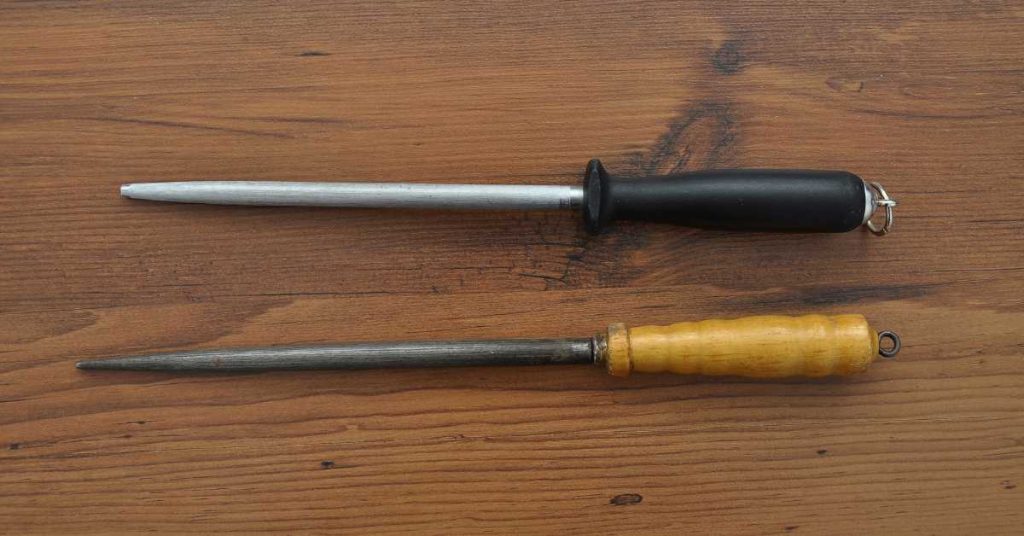
Choosing the right ceramic honing rod requires attention to several key features that influence usability and long term performance. Rod length is especially important because longer rods support smoother strokes when maintaining larger chef knives or slicing blades. Most home cooks prefer rods between ten and twelve inches because they balance convenience and versatility. Handle design also affects comfort and safety during honing sessions. Ergonomic grips with protective guards reduce slipping risks and improve control. Surface texture matters as well because finer ceramic surfaces provide gentler polishing for delicate edges. Buyers should also evaluate overall durability because lower quality ceramic rods may chip or crack after accidental drops or improper storage inside crowded kitchen drawers.
Why Sharp Knives Create Safer Cooking Conditions
Many people assume sharp knives are more dangerous than dull ones, but the opposite is often true during real kitchen tasks. Sharp blades cut predictably and require less force when slicing vegetables, meat, herbs, or fruit. Dull knives frequently slip because users push harder to compensate for poor cutting performance. Ceramic honing rods help maintain proper edge alignment, which improves control and reduces unnecessary pressure during preparation. Professional chefs prioritize knife maintenance because consistent blade performance supports both efficiency and workplace safety. Home cooks also benefit from smoother cutting experiences and greater confidence during meal preparation. Maintaining sharp knives should always be considered an essential kitchen safety practice rather than merely a method for improving convenience or appearance.
How Ceramic Honing Helps Preserve Expensive Knives
High quality kitchen knives often represent significant financial investments, especially when purchased from respected culinary brands. Without proper maintenance, even premium knives gradually lose performance and become uncomfortable to use during everyday cooking. Ceramic honing rods help preserve blade quality by correcting edge alignment before serious dullness develops. This preventive maintenance reduces the need for aggressive sharpening sessions that remove metal from the blade unnecessarily. Over time, consistent honing extends knife lifespan and protects the original cutting geometry. Many professional chefs rely on ceramic rods specifically because they support long term preservation of valuable kitchen tools. Investing in regular maintenance often proves more economical than replacing neglected knives that deteriorate from poor care and inconsistent edge management.
Proper Technique for Using a Ceramic Honing Rod
Correct technique is essential for effective and safe honing results. Users should begin by holding the ceramic rod securely or positioning the tip against a stable surface for better control. The knife should contact the rod at a consistent angle, usually between fifteen and twenty degrees depending on blade style. Smooth downward strokes should alternate between both sides of the blade while maintaining gentle pressure throughout the motion. Excessive force does not improve sharpness and may damage delicate edges. Most knives respond well to six or eight controlled strokes per side during routine maintenance. With regular practice, honing becomes a simple habit that significantly improves cutting performance and helps maintain reliable knife condition during everyday kitchen use.
Why Professional Chefs Use Honing Tools Daily
Professional kitchens operate under constant pressure, where speed and precision directly influence food quality and customer satisfaction. Chefs rely heavily on sharp knives throughout long working hours because efficient cutting improves productivity and presentation. Instead of sharpening blades constantly, most chefs use ceramic honing rods regularly during service to maintain edge alignment. This routine helps knives remain effective even after repeated contact with cutting boards and ingredients. Daily honing also reduces blade fatigue and prevents severe dullness from developing unexpectedly during busy kitchen periods. Ceramic rods are especially valued because they provide quick maintenance without excessive metal removal. Their portability and convenience make them ideal for fast paced culinary environments where dependable knife performance is essential for consistent professional results.
The Relationship Between Sharpness and Food Presentation
Knife sharpness influences more than cutting speed because blade quality also affects food appearance and texture. Clean cuts preserve ingredient structure better than dull blades that crush or tear delicate foods during preparation. Herbs remain fresher, vegetables maintain cleaner surfaces, and meat slices appear more professional when prepared with properly maintained knives. Ceramic honing rods support these results by helping preserve edge precision between sharpening sessions. Consistent honing also improves accuracy when creating decorative cuts or thin slices for advanced culinary presentation. Professional chefs understand that visual presentation strongly affects dining experiences, making knife maintenance an important part of food preparation standards. Home cooks can achieve similar improvements by maintaining knives regularly with reliable ceramic honing tools.
How Different Knife Materials Respond to Ceramic Honing
Kitchen knives vary significantly in hardness, flexibility, and edge geometry depending on the steel used during manufacturing. Softer stainless steel knives generally respond quickly to ceramic honing because the edge realigns easily with minimal effort. Harder Japanese blades may require lighter pressure and more precise technique to avoid edge damage during maintenance. Carbon steel knives also benefit greatly from ceramic honing because their fine edges respond well to gentle abrasive correction. Ceramic rods remain highly versatile because they accommodate many common kitchen knife materials without causing excessive wear. Understanding blade composition helps users select appropriate honing frequency and pressure levels. Proper maintenance techniques ensure compatibility between the honing tool and knife while maximizing long term cutting performance and blade preservation.
Common Honing Mistakes That Damage Knife Edges
Many beginners unintentionally reduce knife performance by practicing incorrect honing habits or using poor technique. One common mistake involves applying excessive force during strokes, which can damage delicate edges instead of correcting alignment gently. Another frequent problem occurs when users fail to maintain consistent angles throughout the honing process. Uneven contact reduces effectiveness and may create irregular edge patterns along the blade. Some people also attempt to restore severely dull knives using only honing rods, even though sharpening is necessary in those situations. Ceramic rods perform best as preventive maintenance tools rather than replacements for proper sharpening systems. Learning correct honing habits improves safety, extends blade lifespan, and helps preserve cutting efficiency during daily kitchen activities.
Why Home Cooks Benefit From Regular Honing
Many households use kitchen knives every day yet rarely perform consistent maintenance until cutting becomes noticeably difficult. Regular honing helps prevent this decline by preserving edge alignment before serious dullness develops. Ceramic honing rods are especially practical for home kitchens because they require little space, minimal preparation, and only a few minutes of use. Frequent maintenance also improves comfort during meal preparation because sharp knives reduce hand fatigue and slicing resistance. Home cooks who develop consistent honing habits often notice immediate improvements in cutting precision and kitchen efficiency. Maintaining knives properly also supports better ingredient presentation and safer handling practices. Ceramic honing tools provide an accessible solution for anyone who wants reliable knife performance without advanced sharpening experience or expensive equipment.
Choosing the Correct Rod Length for Kitchen Needs
Ceramic honing rods are available in several different sizes designed for various knife styles and cooking preferences. Shorter rods work well for compact utility knives and kitchens with limited storage space, while longer rods support smoother maintenance for chef knives and slicing blades. Most culinary professionals recommend choosing a rod equal to or slightly longer than the primary kitchen knife being maintained. This allows comfortable full length strokes and improves consistency during honing sessions. Medium length rods often provide the best balance between versatility and storage convenience for typical home kitchens. Selecting the correct rod size improves control, safety, and efficiency while helping users maintain better edge alignment across multiple types of kitchen knives used during everyday cooking routines.
The Connection Between Honing and Knife Longevity
Knife longevity depends heavily on consistent maintenance practices rather than purchase price alone. Even expensive blades lose performance quickly when neglected or sharpened improperly over long periods. Ceramic honing rods help extend knife lifespan by preserving the existing edge and reducing the frequency of aggressive sharpening sessions. This approach minimizes metal removal while maintaining reliable cutting quality throughout years of regular use. Consistent honing also prevents severe edge damage that may require extensive restoration later. Many professional chefs maintain the same knives for decades through disciplined care routines involving daily honing and occasional sharpening. Home cooks who adopt similar habits often discover that simple maintenance practices dramatically improve blade durability, kitchen efficiency, and overall value from their culinary equipment investments over time.
Why Ceramic Rods Are Better for Delicate Edges
Some kitchen knives feature extremely fine edges designed for precision slicing and detailed culinary tasks. Aggressive maintenance tools may damage these delicate blades by removing excessive material or creating rough edge patterns during sharpening. Ceramic honing rods provide a gentler alternative because they refine and align the edge without excessive abrasion. This makes them especially suitable for Japanese knives and other high hardness blades commonly used for detailed cutting work. The smooth ceramic surface also produces cleaner edge refinement compared to rougher maintenance systems. Many experienced cooks prefer ceramic rods specifically because they preserve blade sharpness while minimizing long term wear. Proper technique remains important, but ceramic honing generally offers excellent balance between effective maintenance and edge protection for sensitive kitchen knives.
Cleaning and Storing Ceramic Honing Tools Properly
Proper care of ceramic honing rods ensures consistent performance and longer usability throughout years of kitchen maintenance. Over time, tiny metal particles accumulate on the ceramic surface and reduce effectiveness if not cleaned regularly. Warm water, mild soap, and a soft scrubbing pad usually remove buildup without damaging the rod. Specialized cleaning erasers are also available for deeper maintenance when necessary. After cleaning, the rod should dry completely before storage to prevent slipping hazards or accidental damage. Ceramic rods should never be tossed loosely into crowded drawers because impacts may cause cracking or chipping. Many high quality models include hanging loops or protective sleeves that improve organization and durability. Proper storage habits protect both the rod and surrounding kitchen equipment effectively.
The Importance of Consistency in Knife Maintenance
Consistent maintenance matters far more than occasional intensive sharpening sessions because preventive care preserves blade condition more effectively over time. Honing kitchen knives regularly prevents severe edge deformation and reduces long term wear caused by neglect. Ceramic honing rods simplify this routine by making maintenance quick and accessible for everyday users. Even a few strokes before meal preparation can help maintain smoother cutting performance throughout busy cooking periods. Many people ignore knife care until performance becomes frustrating, which often leads to unnecessary sharpening or blade replacement costs later. Professional chefs understand that disciplined maintenance habits create reliable kitchen performance and safer working conditions. Home cooks benefit similarly from developing simple routines that preserve knife quality and improve overall cooking comfort consistently.
How Ceramic Honing Supports Sustainable Kitchen Habits
Modern consumers increasingly value sustainability and long lasting products instead of disposable kitchen equipment. Ceramic honing rods support this mindset by helping users preserve knives for many years through proper maintenance rather than frequent replacement. Regular honing reduces blade deterioration and extends the useful life of kitchen tools significantly. This approach minimizes waste while protecting investments in quality culinary equipment. Maintaining knives also improves cooking efficiency, which encourages more enjoyable home meal preparation and reduced dependence on disposable food solutions. Many professional kitchens emphasize preventive maintenance because it lowers equipment costs and improves operational reliability. Ceramic honing tools fit naturally into sustainable cooking practices by promoting durability, careful ownership, and responsible long term use of valuable kitchen resources and culinary tools.
Why Research Matters Before Purchasing Kitchen Tools
The kitchen equipment market contains countless maintenance products with varying levels of quality, durability, and effectiveness. Careful research helps buyers avoid poorly designed tools that may damage knives or fail after limited use. Many cooking enthusiasts consult expert comparisons and maintenance guides before selecting honing equipment for their kitchens. Resources such as Best Ceramic Honing Steel provide useful insights regarding rod materials, handle design, durability, and compatibility with different knife types. Understanding these details improves purchasing decisions and helps users select tools suited to their cooking habits and maintenance goals. Reliable information also teaches proper honing techniques that support safer and more effective knife care. Informed buyers often achieve better long term satisfaction and stronger value from their kitchen equipment investments.
The Future of Knife Maintenance Technology
Kitchen maintenance technology continues evolving as manufacturers develop new materials and designs aimed at improving durability, comfort, and blade protection. Ceramic honing rods remain highly respected because they combine traditional maintenance principles with modern material engineering. Some contemporary models feature advanced ceramic compounds designed for improved abrasion control and edge refinement. Others include ergonomic handles, protective guards, and compact storage systems that enhance user convenience. Despite these innovations, the core purpose of honing remains unchanged because edge alignment continues playing a critical role in knife performance. Consumers increasingly appreciate tools that balance simplicity, reliability, and sustainability within modern kitchen environments. Ceramic honing rods continue meeting these expectations effectively while supporting long term blade preservation and dependable cooking performance across a wide range of culinary applications.